
My Horror Milestones
A long, rambling journey through my personal history with horror as a genre.
This blogpost is a companion piece to the video I just posted on my Instagram for Halloween 2026. We (i.e. my director/sounding board Adi and I) wanted to do something different from the usual themed recommendations we’ve posted so far, and talk about something personal – horror books/movies etc. that had changed my life. Of course, I’d mentioned some of these before in other videos, but we wanted to dive into my personal history with horror.
Except, once I started scripting the video, I couldn’t stop writing. We were supposed to have one recommendation per category, but I kept trying to stuff in mentions of other things I loved. Finally, we decided to show but not mention some of these, and to shunt everything else into this blogpost, which is basically a messy ramble through three decades of loving horror.
Everything below that is marked in bold can be considered a recommendation. If it’s italicised but not bold, that can be taken as a “no comment”.
This post is 5,000 words long with images, so if you’re reading this in your email client, there’s a high likelihood that it’ll be cut off at some point. You might be better off clicking on “View in Browser”.
If you like this piece, please send it to someone you think might enjoy it – I could use a few more subscribers to this newsletter as social media becomes more and more useless.
Also, just in case you’re unaware, I wrote a horror comic myself – In Your Skin with artist Som – whose collected edition is now available in comics stores. We’d love it if you give it a go!
Movies
The first horror movies I heard about were The Evil Dead and The Exorcist. Both were deemed unwatchably horrific, particularly in whispered school conversations, so I was fascinated by the idea that adults might, for some reason, want to watch movies that were rumoured to literally kill people (let’s be honest, The Ring didn’t come out of nowhere). I do remember getting a glimpse of the tentacle scene in The Evil Dead when I was 7 or 8, when an older cousin watched it while I cowered in bed in the other room, but little else.
At this point, I was a bit of a scaredy-cat, particularly about anything to do with darkness or horror. My family even had a running joke about how the opening titles of the tv show Kile ka Rahasya (The Mystery of the Fort) from the late 80s scared me so much I’d go straight to bed – in my defence, I was three at the time. I was an anxious kid, with no knowledge of how to deal with the anxiety, other than to imagine horrific things. One day – I think this was when I was 9 or so – when the anxiety was really bad, my father shook me awake at 1am, and took me outside into the dark. We sat there, and he asked me if the darkness was doing anything to me. I shook my head. We sat there for a while, as he smoked a cigarette, letting me get used to the darkness, and the shapes in it, and the strange waving of the grass in the field across the road from our house, so I could understand there was nothing scary there. It’d be an exaggeration to say that when I went back to sleep, I was no longer afraid of the dark, but it became true a little while after that, and I actually started enjoying horror.
The first movie I watched that falls under the horror category was actually The Terminator, which I watched when I was five. My dad was remarkably blasé about what he thought was appropriate for kids to see, particularly if it was something he wanted to watch anyway. I watched The Terminator on tv, and back then Indian tv didn’t have any censorship, so I was exposed to both Arnie’s butt and the world’s only plot-relevant sex scene at that age. I’ll be honest, it probably helped me develop a reasonable attitude about nudity. I loved the movie, and still think it’s better than the (excellent) sequel.
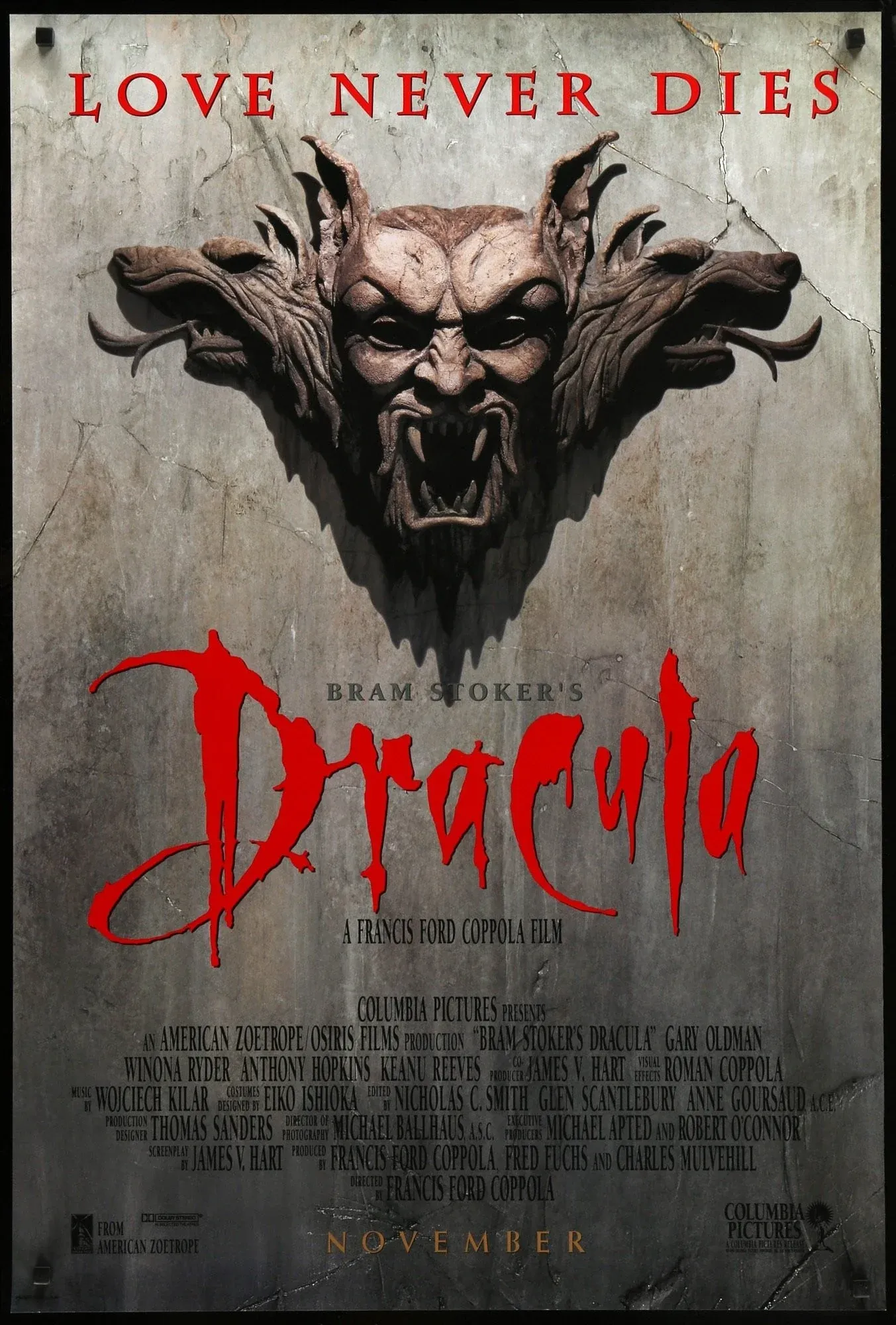
I could also talk about Bram Stoker’s Dracula (or as my friends and I refer to it, Francis Ford Coppola’s Bram Stoker’s Dracula), which was legitimately sensuous and transgressive in a way I never found the novel to be (though I was enamoured by its epistolary nature).
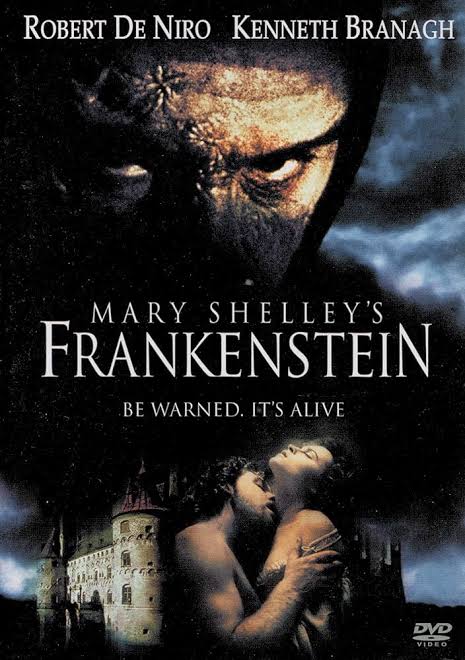
A movie that actually got me into trouble with my parents was Ken Branagh’s Mary Shelley’s Frankenstein, with Robert De Niro as the monster. I got this on VHS from the neighbourhood video library, and absolutely adored it. I must have been ten at the time, and still I could feel the sadness behind the horror, and I wanted to own this movie. So I asked my parents if they’d be okay trying to buy this copy from the video library. At first, they dismissed me, but I persisted, so they watched the film with me, and boy were they not happy with the fact that I apparently wanted to see this thing on repeat. I couldn’t entirely articulate what I liked about it, so they thought I must liked the gore and the disfigurement and the general ickiness. They actually had conversations about whether there was something wrong with me, before, eventually, my father declared that it was fine that I liked horror, but did I have to like it so much? I never did get to own that video, but also, I haven’t rewatched this film since, so I don’t know right now if I’ve just admitted something fundamentally embarrassing to you folks – it could be a shit movie.
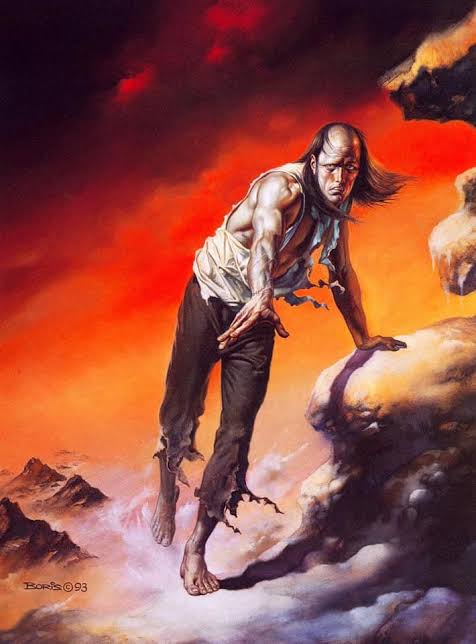
Of course, this led me to buy the original novel, an edition with Boris Vallejo’s fantastic cover with the mournful, lurching monster, and then I fell in love with the book, and all was well.
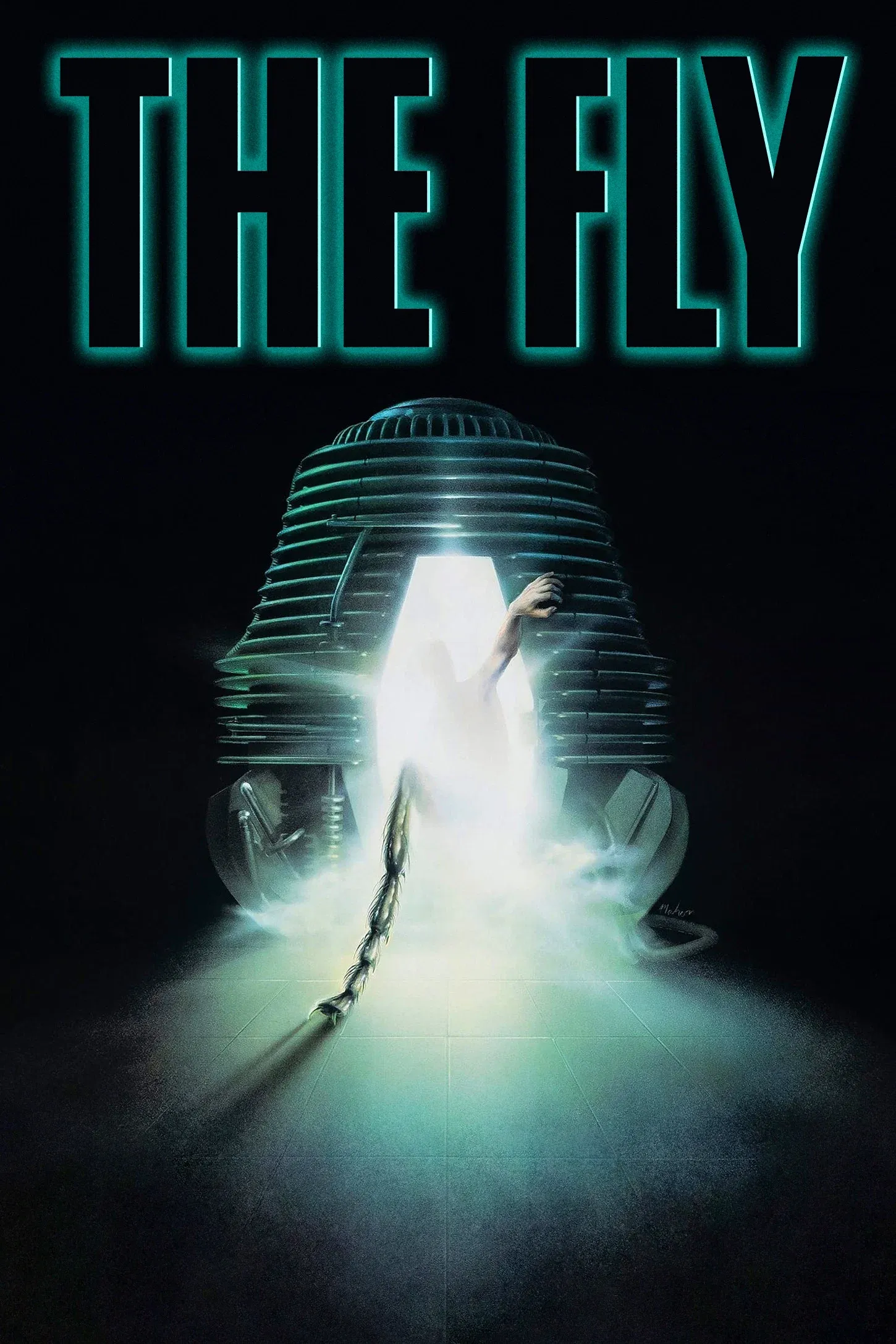
Another milestone as a kid was The Fly – Cronenberg’s version, obviously. I loved the sf premise, and didn’t expect the horror – I was fully charmed by both Jeff Goldblum and Geena Davis, and just felt sad for them by the end. I told my dad about it excitedly, and he told me there was a sequel! So I watched The Return of the Fly with him, and realised with growing horror that we’d been talking about two different movies called The Fly – he thought I’d watched the 1958 version. Apparently Cronenberg’s Fly does have a sequel, but colour me uninterested, given he didn’t direct it.
Sci-fi horror, I now realise, forms a through-line for my teenage – The Terminator, The Fly, and later Event Horizon and Alien. It’s probably the genre that tickles my lizard brain the best, hence the deep love for David Cronenberg.
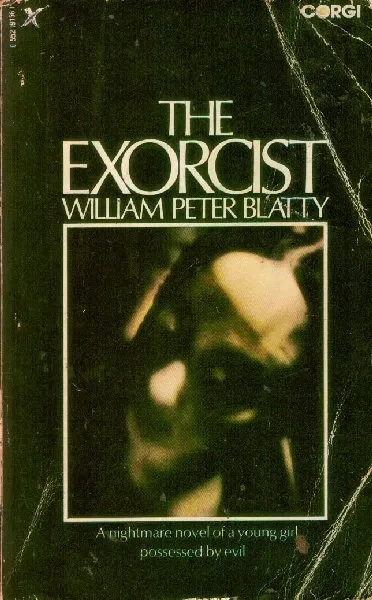
I finally watched The Evil Dead properly, years after the sleepless night that the tentacle scene from The Evil Dead had caused me. What I really loved, though, was Evil Dead 2 – the comedy version of the first film – but that was years away. Now that I’d tackled one of the mythic OGs, I decided to try and find The Exorcist and found an old, tattered copy of the novel in a second-hand bookshop. I was and remain a fan of “found document” fiction, and I loved how The Exorcist made it feel, initially, like this story had really happened. I became a fan of the novel, and realised that what I’d heard about it was just urban legends – this thing was something else, something less pulpy and more sophisticated (although I felt then and still feel weird about how much it reads like propaganda about how cool the Jesuits are).
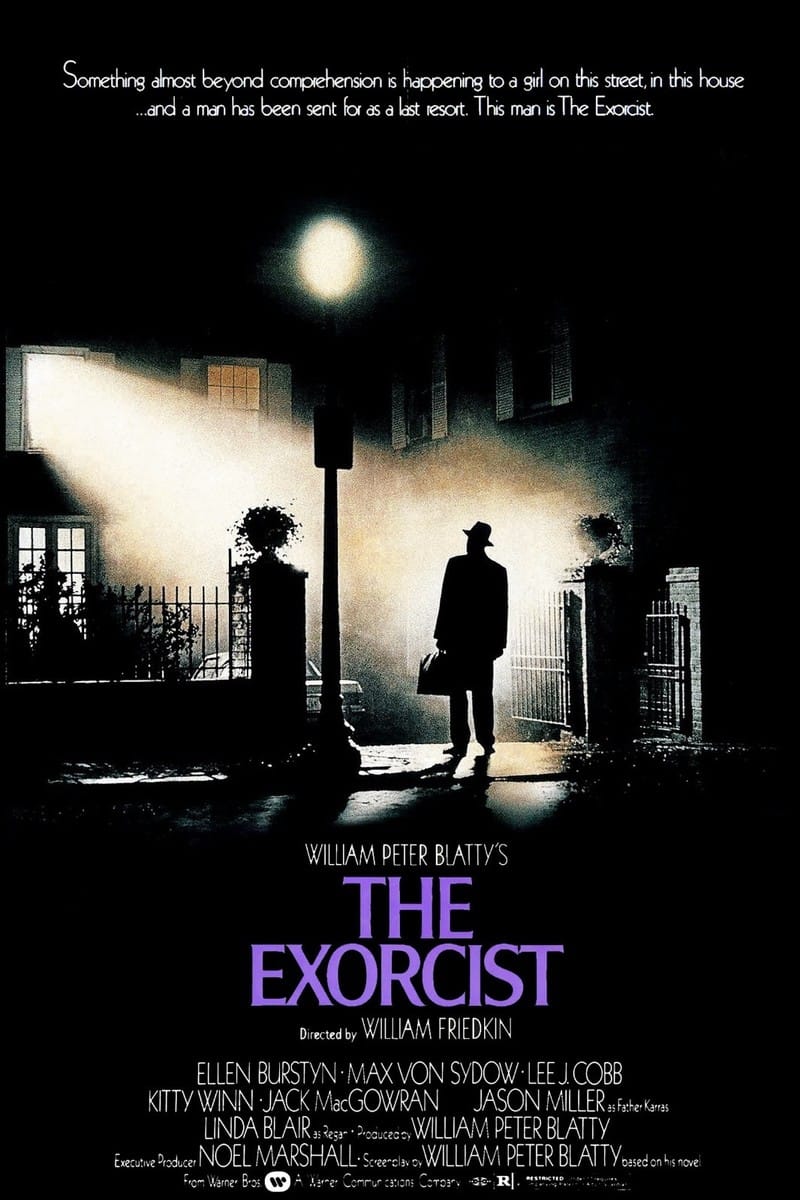
The movie, when I finally watched it, made me feel like I’d grown up. I got it. I understood that it was dealing with adult anxiety about the safety of your kids, about watching your child grow up and become a separate, almost alien thing (paralleled between Regan and Father Karras). It’s about modernity, about connection, and of course, it’s about religion too. It’s a wonderfully complex film, possibly better than the novel, and just so sad.
Short Stories
I think the short story is the ideal form of horror – one short sharp shock, and you’re done. It’s the most bang for your buck, and even now, I think that unless you intend to do deep character exploration, anything longer than a short story dilutes the horror. (We could have a whole section for novellas, but I think we’ve got enough to go on.)
Much more than movies or novels, I grew up reading horror short stories. My introduction to horror as a medium unto itself was through short stories. A friend of mine who was into detective stories recommended I read “The Gold Bug”, so I went and found a collection of Edgar Allan Poe’s short stories in the school library, and developed my first obsessive crush on a writer’s work. “The Gold Bug” is good, but it was the others that inflamed my passion – “The Cask of Amontillado”, “Ligeia”, “The Tell-Tale Heart”, “The Fall of the House of Usher”. The perfect ones. I loved Poe’s total control over tone, and his willingness to create an abominable “I” – to identify himself with the monstrous. When I started writing fiction, my first attempt were ripoffs of Poe’s work, and I think you could have worse models.
I expanded my reading to M. R. James and Sheridan Le Fanu, but somehow skipped Lovecraft and his ilk – I’m not sure why. I think by the time I first encountered his work, I was reading modern horror writers, and I felt his prose was too turgid and slack. Where I went instead was to the 70s and onwards – Ramsey Campbell’s Dark Companions, Christopher Fowler’s Uncut, Douglas E. Winter’s Prime Evil. Around this time, someone recommended Stephen King’s Night Shift, but that’s a whole separate love affair I’ll talk about in a bit.
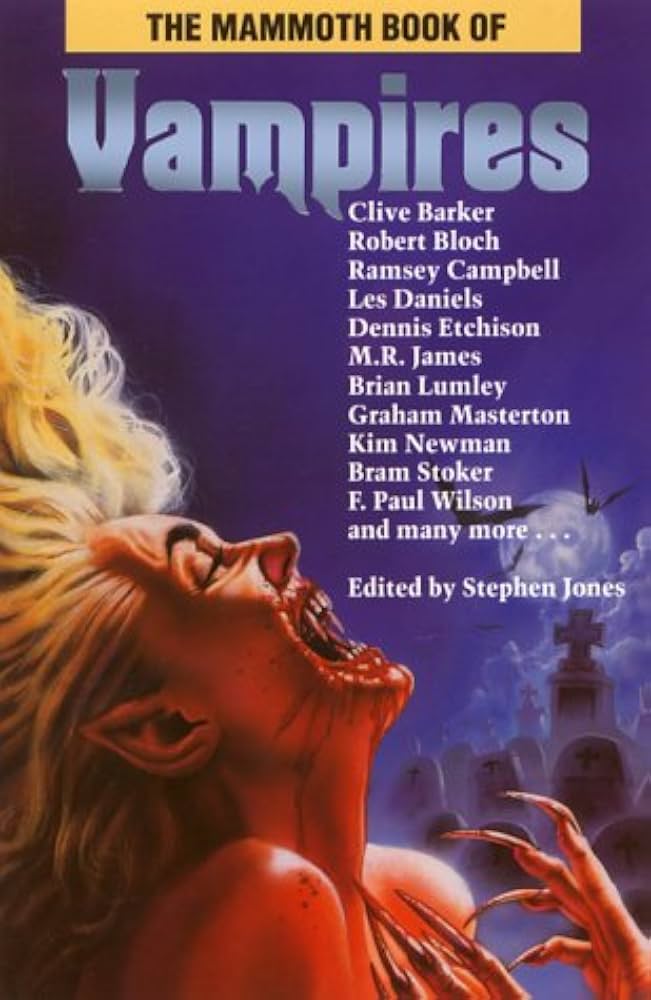
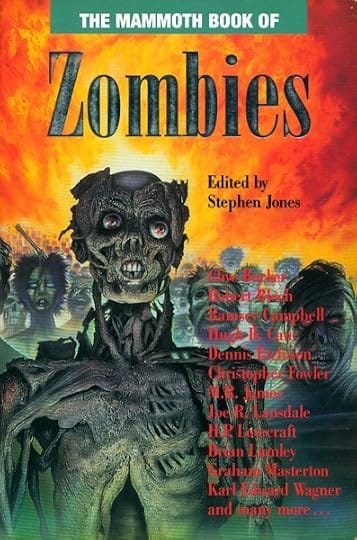
What I gravitated to was big books with lots of stories that came very cheap, so I could make my pocket money go a longer way. So my favourite collections as a teenager were Stephen Jones’s Mammoth books – particularly the Frankenstein, Vampires and Zombies editions – and Karl Edward Wagner’s Year’s Best Horror collections. These were as uneven as any other collections, but they just had … more stories.
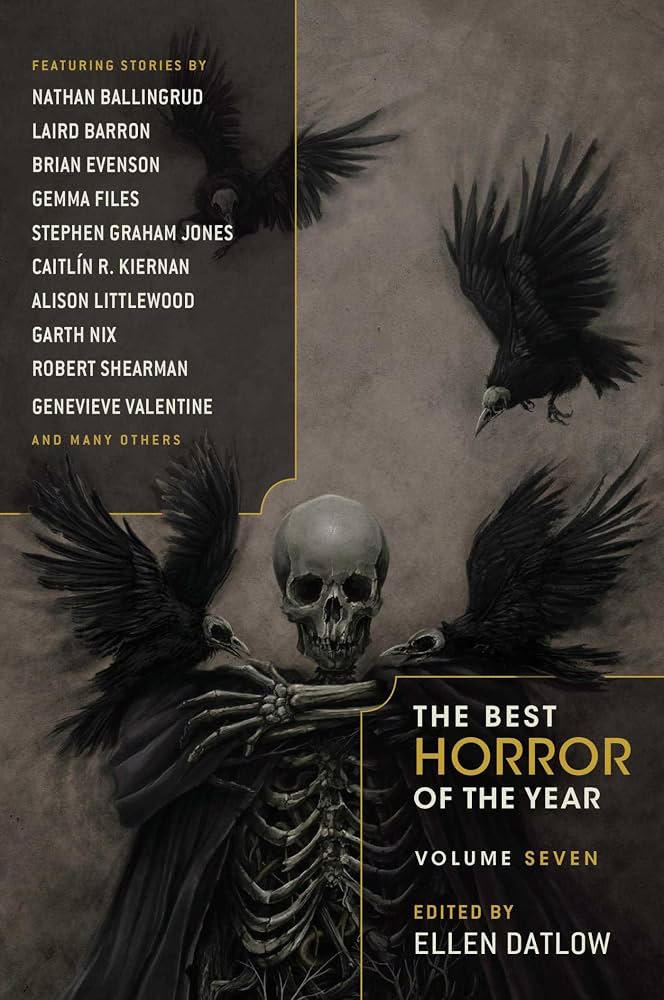
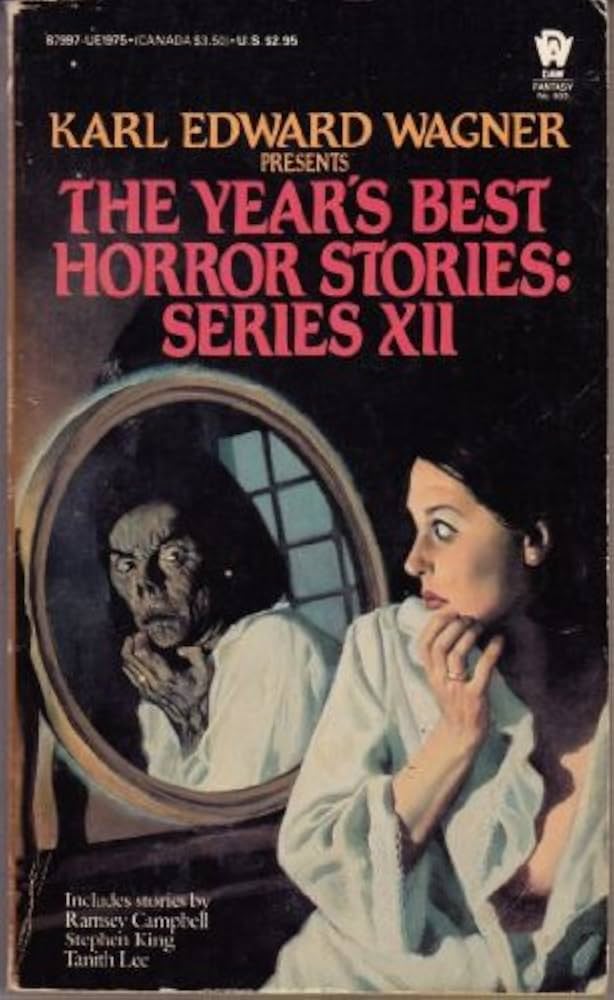
In my 20s and early 30s, I moved away from horror. This was partly down to a reaction to some real-life trauma which made me uneasy about reading traumatic fiction. Instead, I latched onto some simplistic notions regarding the function of art that were flying about on Twitter at this time – the idea that art can (and by implication shouldn’t) harm people, that art should be edifying, that writing problematic stuff somehow means you’re a problematic person – puritanical stuff enabled by the 140-character judgement one could issue on that platform. I didn’t fully agree with these notions, but I accepted them for a little bit, because they made it easier for me to think about stories – at this time, reading horror would’ve meant facing my issues, and that wasn’t something I wanted to do. Instead I started reading and writing more science fiction, despite it not being, necessarily, my favourite thing.
I eventually got my head straight on this, and started watching and reading horror again (it’s a fundamental contract in horror between writer and reader that depiction doesn’t mean endorsement, in a way that isn’t automatically the case with most genres), and of course, the short story remained my ideal form of it. This time, the books that led the charge were Laird Barron’s The Beautiful Thing That Awaits Us All and Nathan Ballingrud’s North American Lake Monsters, but I eventually found my way to gems like Mariana Enríquez’s The Dangers of Smoking in Bed and Rob Shearman’s (yeah, the Doctor Who writer) Remember Why You Fear Me. I even went backwards and found Thomas Ligotti’s Teatro Grotteso, which was quite an experience.
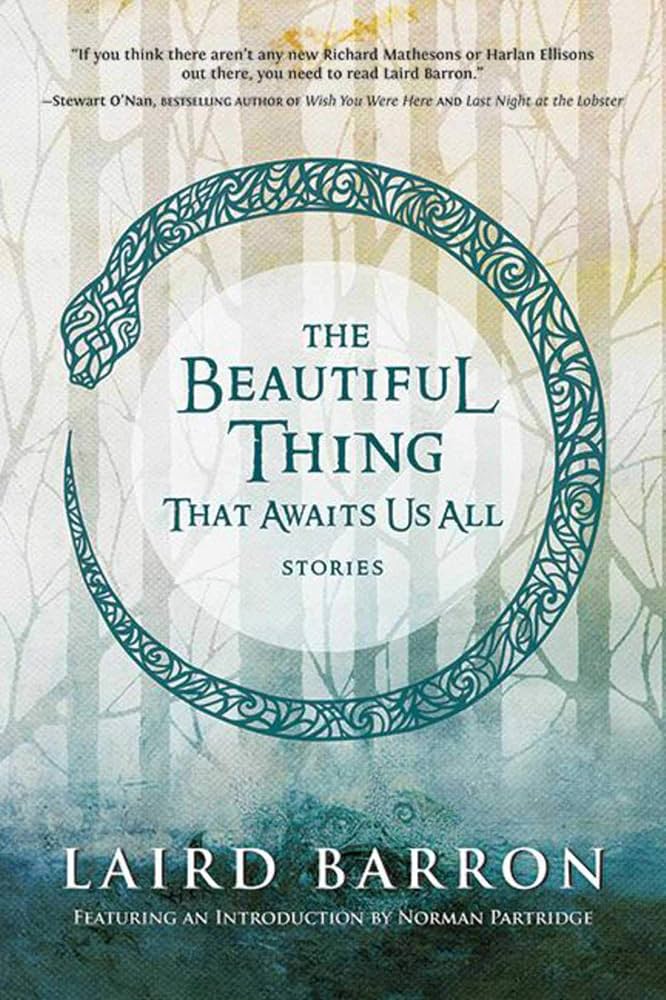
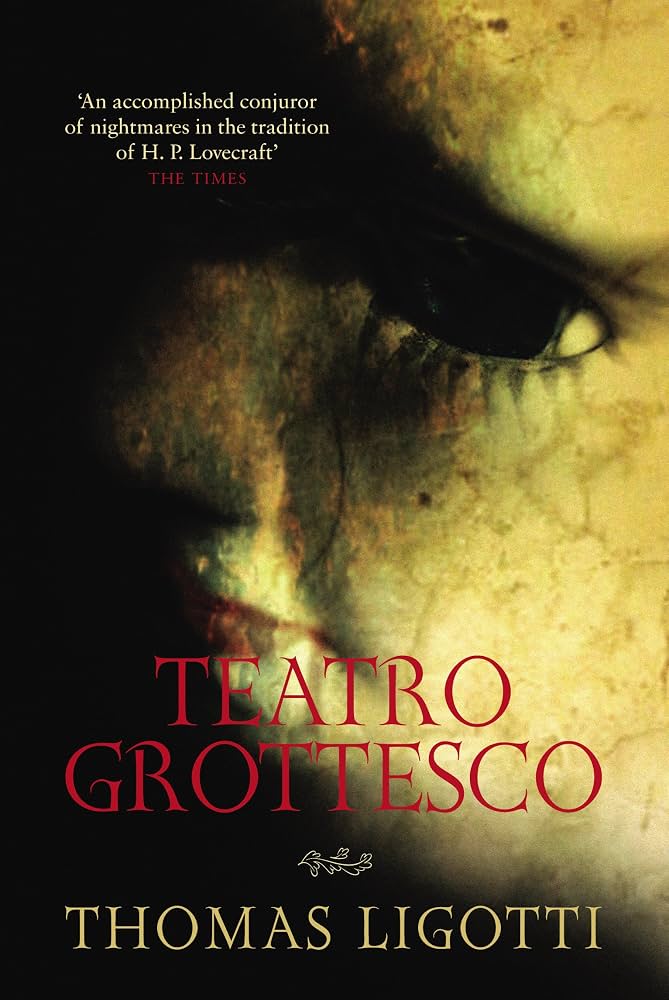
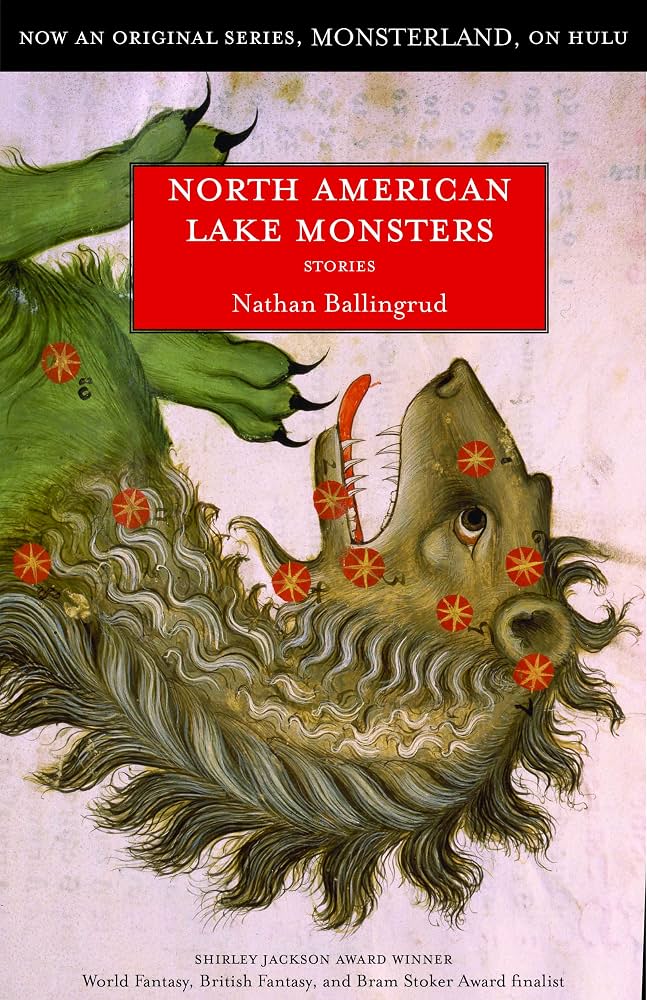
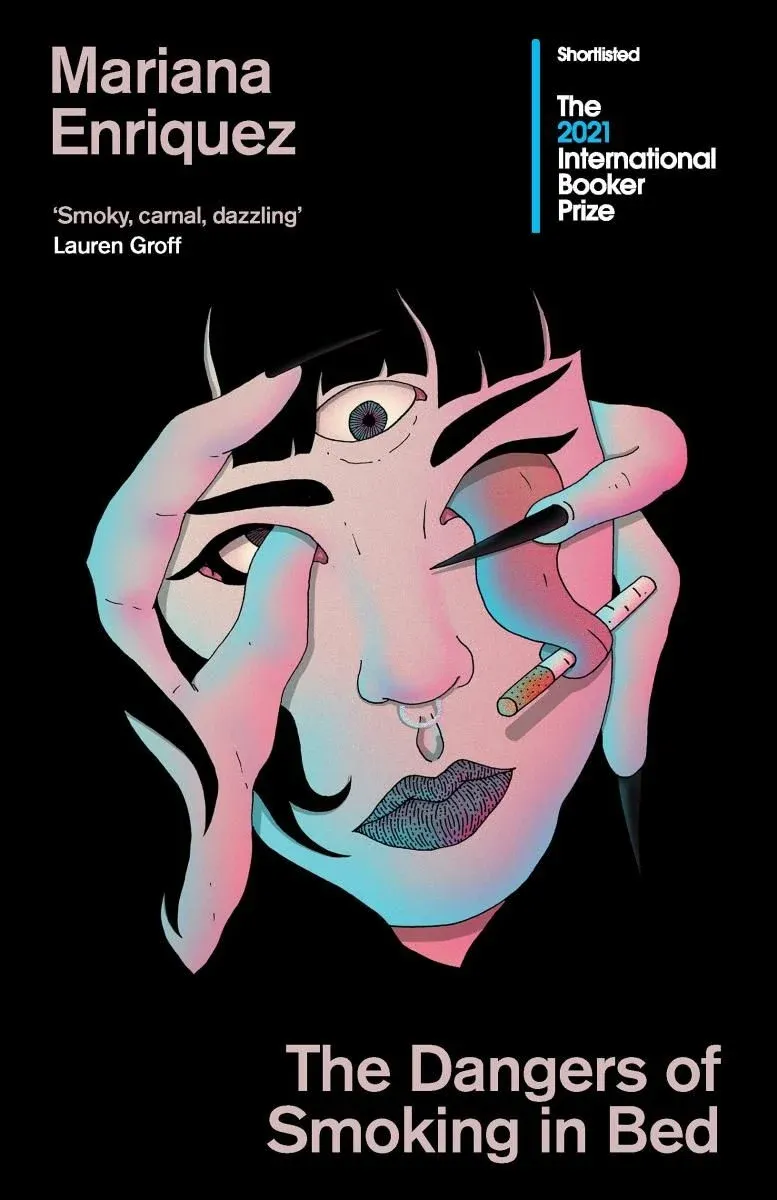
This is also when I finally read Lovecraft, who had clearly influenced a lot of the writers I now enjoyed. It was a very different experience than I’d expected. First of all, I didn’t find Lovecraft’s prose bad – it’s a very specific style that’s largely successful in what it’s trying to do. Sure, there are times it works better or worse, but it’s far from bad writing. On the other hand, I found that his xenophobia and racism had, if anything, been underplayed by some commentators. Not only is it fully a part of his worldview – it defines what he thinks of as horrific. His idea of the inhuman universe is a spectrum – at the far end are entities like Cthulhu and the Elder Gods, but at the closer end, it’s simply non-white people, miscegenation and sex. “The Horror at Red Hook” doesn’t work without the racism, and neither does “The Shadow over Innsmouth”. But I’ve found his work interesting – this scared nerd who was trying to organise the world in a way he might understand and perhaps contain it.
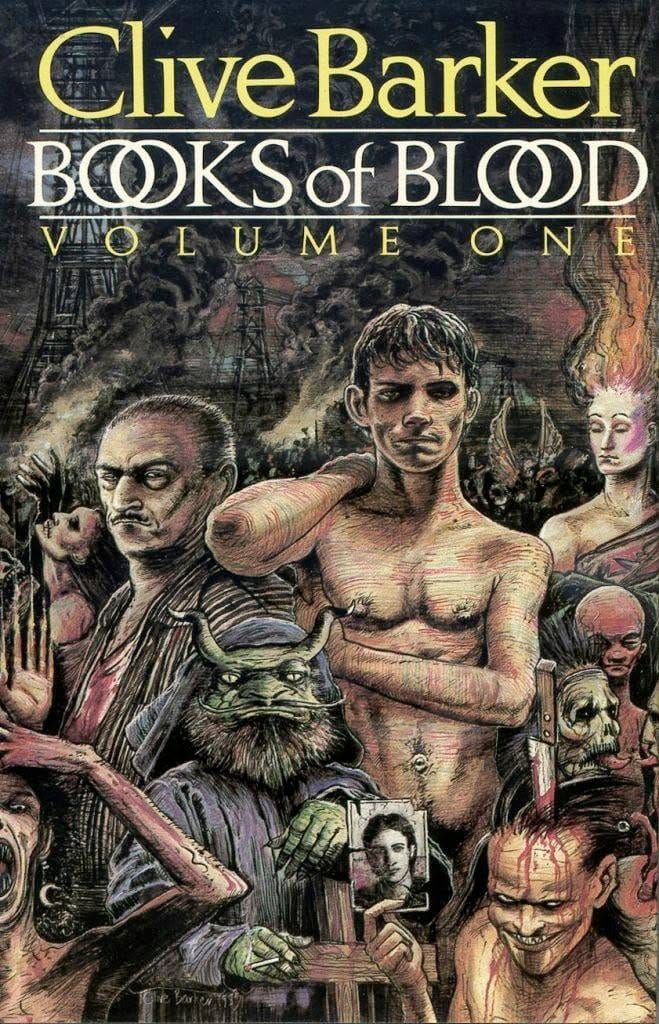
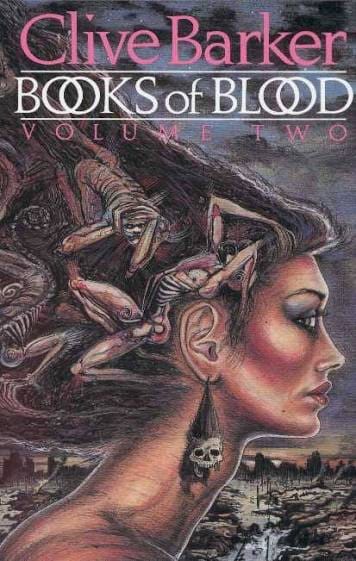
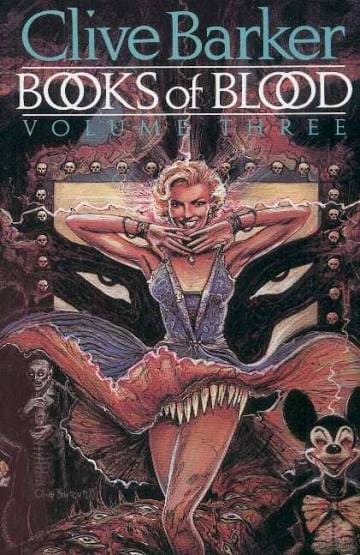
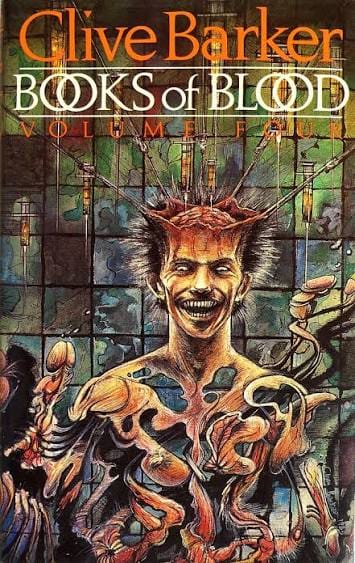
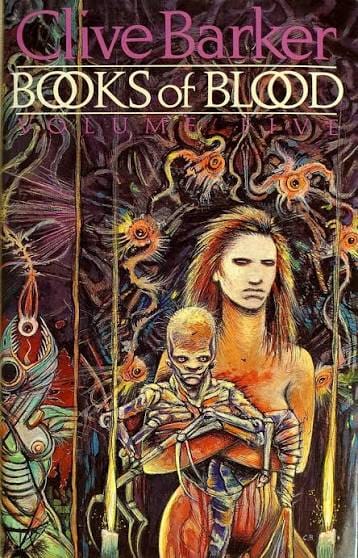
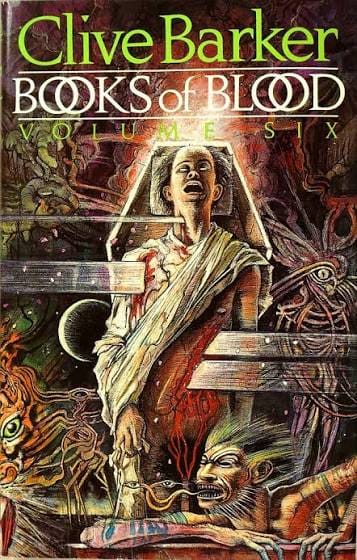
But the short story collection that truly made me feel that horror could be anything was, of course, Clive Barker’s Books of Blood. Barker wrote stories that are horrific, spooky, imaginative, sexy, gory – everything you can imagine horror can and should be. And there were six volumes of it – all these wonderful iterations. Books of Blood also contains what is probably my favourite horror short story, at least in terms of pure imagination – “In the Hills, the Cities”. Don’t look it up, just give it a read.
Novels
Novels probably make my most extensive reading in horror, but, I’ll be quite honest, I read a whole lot of really bad novels as a teenager, because most of my buying took place in second-hand shops, and I didn’t have the Internet at the time to guide my purchases. So I read The Exorcist and Stephen King and Peter Straub, but I also read The Sentinel (an Exorcist cash-in knockoff) and David Morrell’s The Totem (which I remember liking, actually – maybe it’s not bad) and James Herbert (whose trashy books like The Rats and The Fog were the prototype for Garth Marenghi of Darkplace fame).
Most of the good horror I read as a kid was in short story form, but there were exceptions like, of course, Frankenstein and Dracula and eventually, Stephen King.
I’m a bit cold on King these days, if I’m being honest. By my current standards, he uses more words than he needs to – his writing lacks density and concision, and I don’t get that pleasure out of reading his sentences as I do from, say George Saunders or Vajra Chandrasekera or even, staying within horror, John Langan or Laird Barron. But as a kid, I was perfectly happy with his immersive, transparent style of writing. My introduction to his work was the aforementioned Night Shift (which is much tighter than his writing would eventually get), and I built a pretty big collection of his books over time.
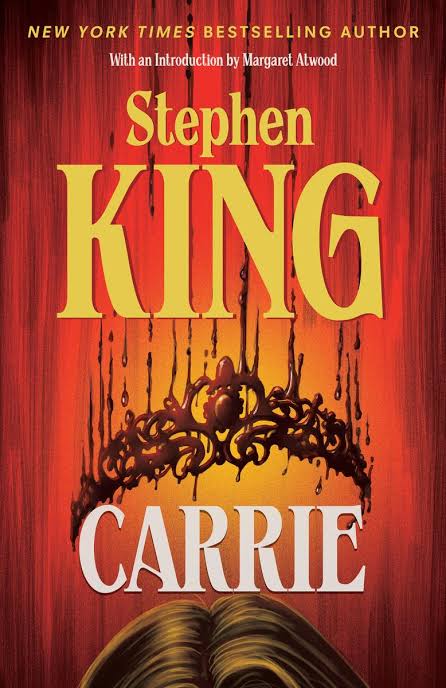
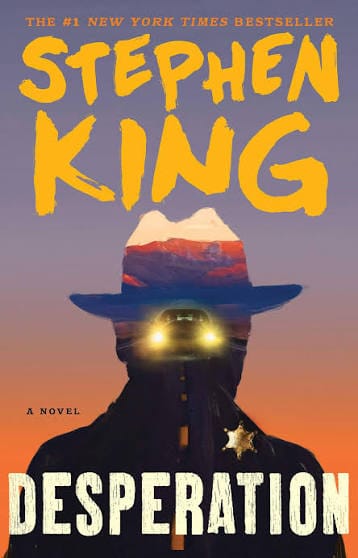
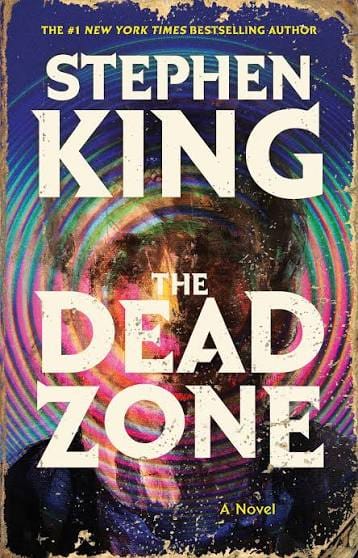
My early favourites were Desperation, The Dead Zone (which might be most reread King book – I’m still a fan) and Firestarter. I read Carrie later – I expected it to be a rough book, but it actually ended up another favourite, particularly since it had a partial “found document” structure, which still tickles my horror nerve centre. I even plunged into tomes like Needful Things and The Stand (which I ended up loving, partly for the Berni Wrightson illustrations, but which I had to take two runs at to read fully and which I haven’t reread after that first read). I loved his short stories and novellas (though “Apt Pupil” is my favourite from Different Seasons, not “Rita Hayworth and Shawshank Redemption”).
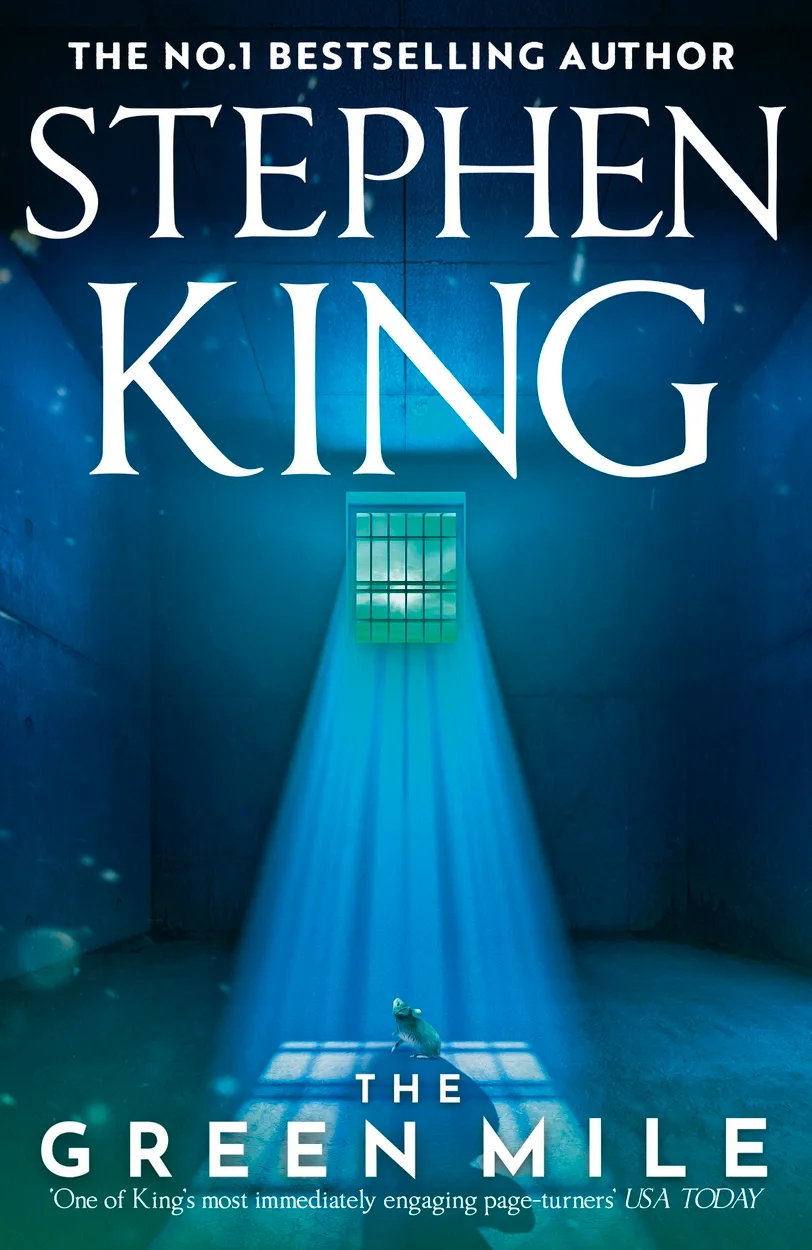
I downloaded The Plant in PDF when he was publishing it on his website in pay-what-you-want form, and still think it’s some of his best work, though I was one of the people who caused him to not finish it – I didn’t pay for any of it. My favourite experiment of his with serialised fiction was with The Green Mile – I found the first two instalments (of six) in a second-hand bookstore, and then made it a mission to find the rest. I eventually found the whole thing, though I had to buy Part 4 twice, because the first edition I found didn’t match the glossy foil cover of the rest – I think it was a British edition instead of the American edition.
I’m still a bad Stephen King fan – I’ve never read The Dark Tower, though I began the first volume a few times – but I read almost everything he published till the year 2000, including the Richard Bachman stuff (of which the first few are worth reading, but The Regulators is hot garbage). But I was a Constant Reader, and proud to be one, and I even suffered through The Tommyknockers and thought it was a complete mess before finding out he wrote it on coke and didn’t remember writing it.
Like Poe before him, and Mary Shelley in between, King influenced my writing of the time. At 16, I wrote three quarters of a novel, and it was an odd stylistic mix of Stephen King and Irvine Welsh, if you can imagine that, with a plot largely stolen from Firestarter. I read and loved On Writing, and it absolutely changed how I wrote, but unfortunately, not for the better (more on this in a future blogpost).
The last book of his that I was a Constant Reader for was Bag of Bones, which I very much enjoyed, though parts of it felt like wish fulfilment. Then I stepped away from King, and from horror in general. When I came back, I found it difficult to read his style – I found it bloated and verbose – and I largely gave up on reading his work. I picked up, but was unsuccessful in finishing, Lisey’s Story, Duma Key, 11/22/63 and later, The Outsider, Elevation and Holly. I hesitate to say they’re bad books, I just don’t connect to that style anymore. I like sentences that hold on to me, that slow me down – I don’t want someone just telling me a story like they would over a bar table. I do enjoy listening to King on podcasts, though – the voice really works there.
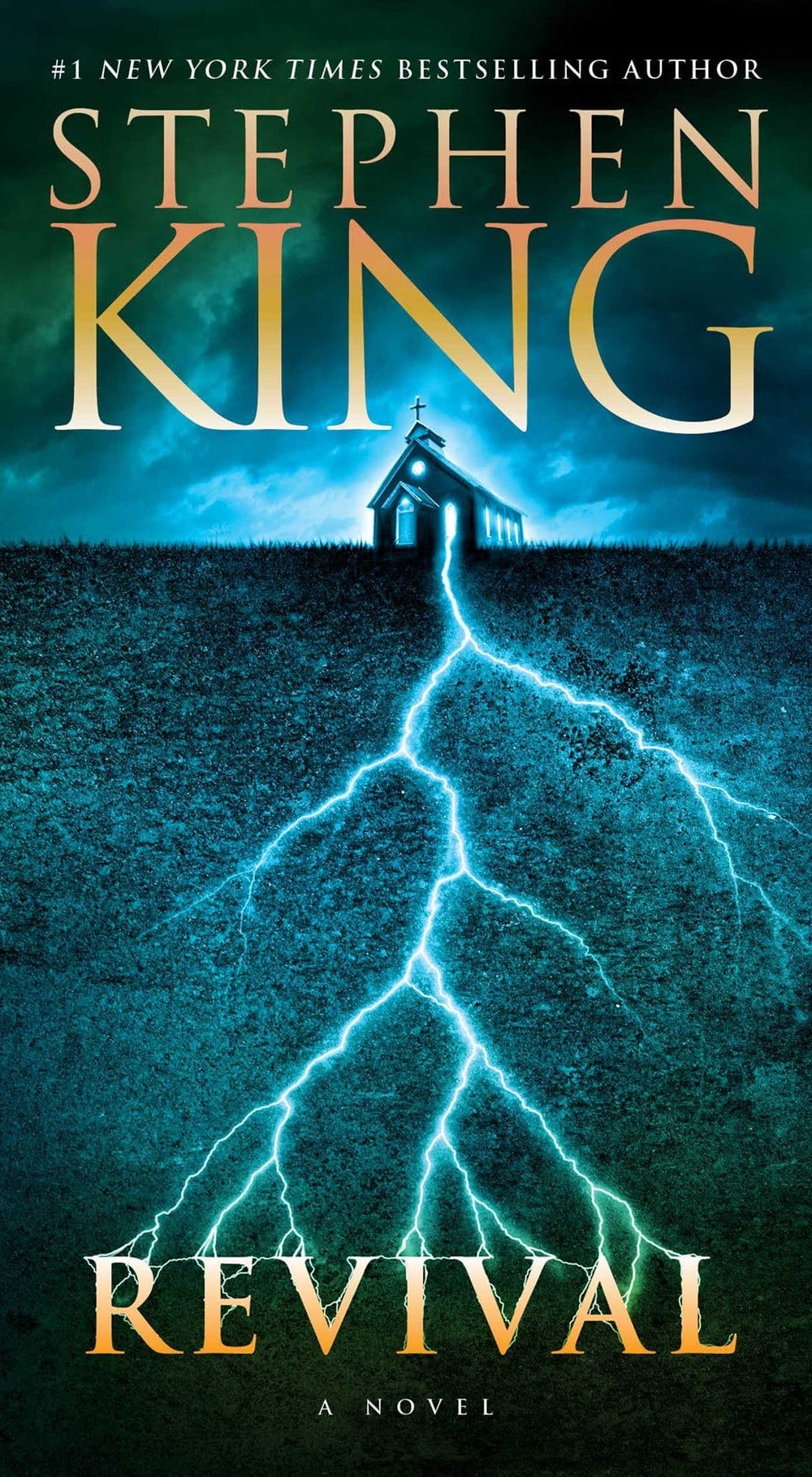
An exception to all of this, though, is Revival, which is phenomenal and, to my mind, a major King work. It’s hard to call a King book underrated, but I feel more people could use reading this one. What I like about it is that it has the same warmth and humanity as his other books, the same specific characters and the way in which he builds out their lives, but here, he’s using it for a much bleaker purpose, one we’ve seen rarely even though he writes horror. I don’t think King’s usual horror work is cosy, exactly, but he gained the popularity he did because his people are normal and relatable, and you don’t want bad things to happen to them. In Revival, he uses this same affection we have for his characters to properly twist the knife. Saying anything more would be spoiling it, but it’s quite something.
TV Shows
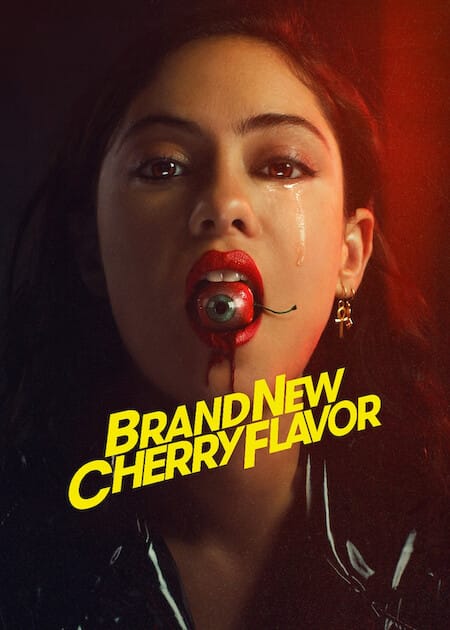
This one’s going to be shorter, because a) I don’t actually watch much tv, and b) I don’t watch much horror on tv. I don’t think it works very well most of the time. Hannibal is great, and Brand New Cherry Flavor was bracing, if not consistently good. I even like the idea of the anthology format for a tv show – a new story per season – but I don’t think American Horror Story did a very good job of that (though I haven’t watched Monster yet). Channel Zero did, but hand on heart, both Channel Zero and Brand New Cherry Flavor would’ve made better movies, I feel.
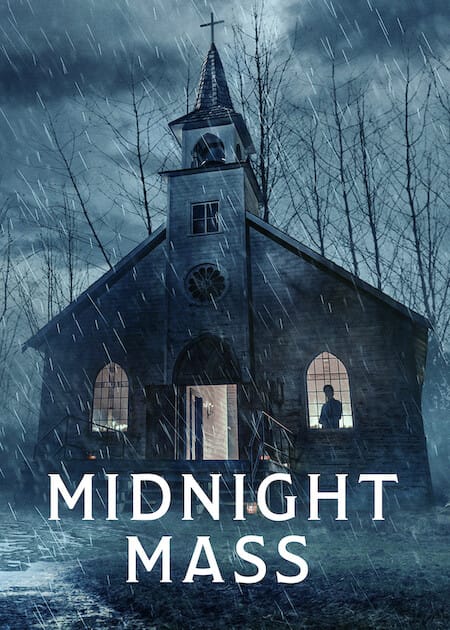
I skipped The Haunting of Hill House when I realised Flanagan wasn’t in fact doing Shirley Jackson’s novel (though I don’t think that counts against it – I just wasn’t interested in that at the time), but I do dearly love Midnight Mass, possibly my second-favourite horror tv show, and if I wasn’t going to talk about that one, it’d have been Midnight Mass.
There are others I’m fond of – I’ve been, very slowly, watching The Twilight Zone over the last couple of years, and it’s fabulous, particularly as an illustration of how much more interesting tv blocking and lighting used to be when they had to make it on the cheap and shoot on film.
Of course, one could talk Buffy the Vampire Slayer and Angel, which were both formative for me (the first comic I tried to write, at age 18, was a Buffy ripoff – never finished even a single script because I Could Tell). But, and I might be alone on this, I don’t think they’re actually horror – I think of them as dark fantasy, which is a related but separate genre, where the monstrous is reliably defeated by the protagonist(s). Also, in an era of prestige tv, it’s difficult not to see the small budgets and hammy acting when rewatching these shows (although the scripts do hold up, mostly, and the lighting, because this was still on film, is usually fine-to-good).
No, the horror tv show that indelibly changed me was one I encountered in 2020.
The lockdowns had just started (and my neighbourhood was particularly strict about nobody leaving home, given there was a police patrol van stationed in front of my building), I was alone at home, starting to go stir-crazy. Before the pandemic, I’d always treasured my time alone, but now I had too much of it. I needed a routine to ground me.
I’d had some conversations with a friend which had made me realise that watching a tv show on my laptop while I worked on my large monitor, which is what I’d been doing since I started freelancing, was disrespectful (this was before “second screening” was a common term) because these people – the cast and crew – had put so much work into something you were only paying partial attention to. And if a tv show didn’t feel worth that time, well, maybe you shouldn’t be watching that show.
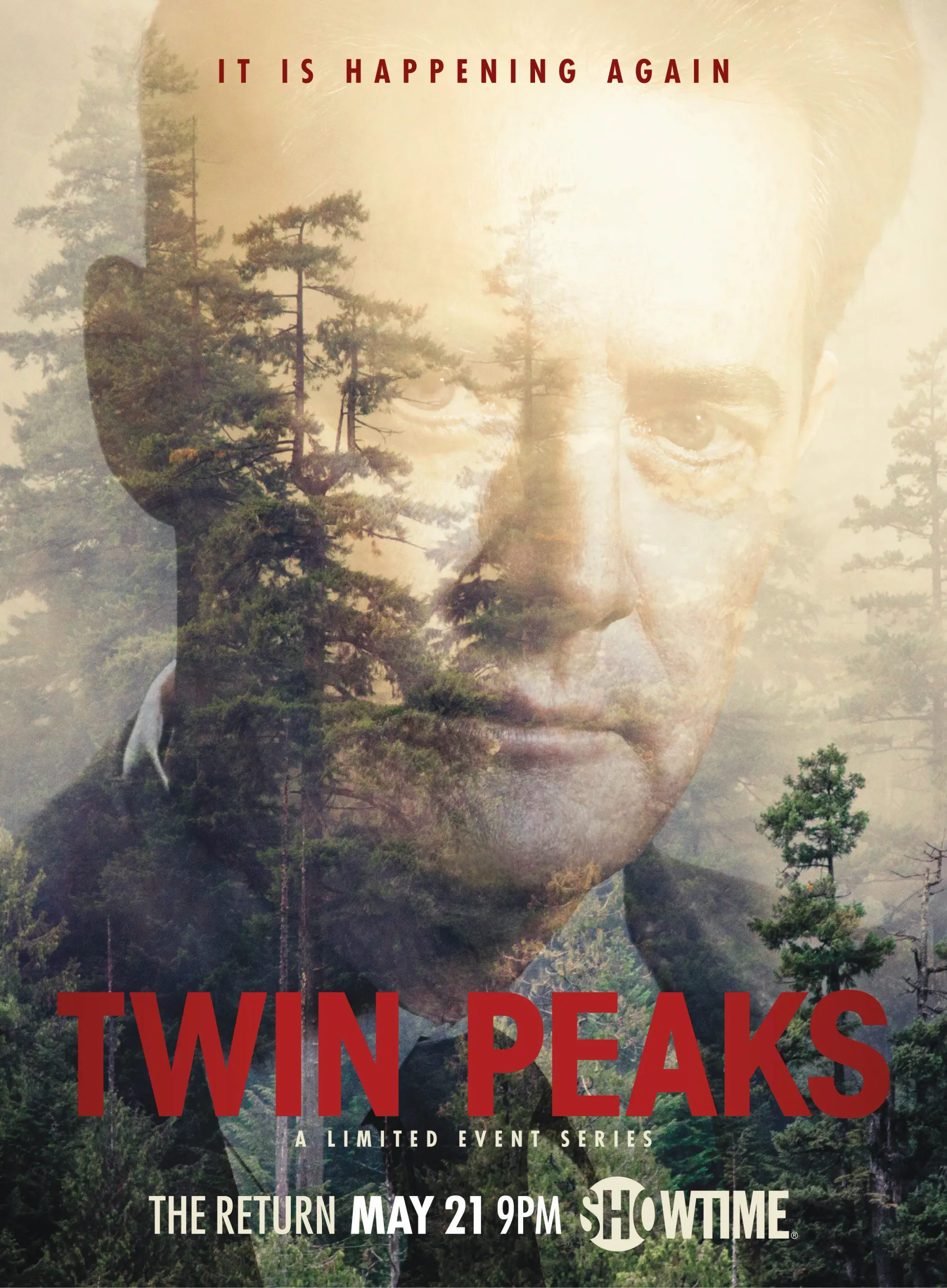
So now I figured, every morning, I’d make my morning coffee, and sit down to watch one episode of a tv show, properly, with full attention (even as I write this, it now feels ridiculous that I ever did otherwise). And I’d only do one episode a day, so the episodes wouldn’t blur into each other like they do when you binge something. The first show I chose was Twin Peaks: The Return. For eighteen days straight, I had my mind blown by the strangest, bleakest and most human tv show I’d ever seen. I hadn’t seen the original at this point, and even later, when I did, I felt that while the original show was great, the third season was a singular life experience, not just a great tv show. It also made me understand what silence and pauses allow a filmmaker to do, which would lead me to slowly understand art cinema better – film as something more than just another storytelling medium.
Comics
By the time I got to comics as a medium, I was older, and less likely to be completely changed by one. I read a fair number of horror comics, it’s just not a big percentage of my overall comics reading as it is in the case of films and prose. At this point I read comics as a creator – largely for form over story. I’d say I don’t find most horror comics scary, but then I don’t find most horror scary. It’s an aesthetic attraction rather than a desire to be scared, though fear is probably where it started, for me – that I could see myself both in the victim and in the monster, and both were scary prospects.
There is precisely one comic that gave me sleepless nights, and that was Necroscope #1, which I, once again, read when I was too young. I didn’t get to read many comics as a kid, so once, when I was complaining about this to my younger uncle (who’s now passed), he offered to take me to this one particular second-hand bookshop near his office, which stocked a fair number of comics. I got a bunch of Tintin and Asterix comics there, plus a smattering of DC and Marvel single issues (mostly sf and war comics, if I remember correctly, rather than superhero stuff), a whole bunch of Archie digests – my obsession at the time, the proto-Friends for my generation – and a few comics that I could see had “Mature Readers” written on the cover. I slipped these into the pile, unseen by both the shopkeeper and my uncle, and the bookseller only counted the number of comics I’d bought – because I think my uncle had magnanimously decided to buy me a stack of comics three feet deep – and I brought them home. One of these was the first issue of Malibu Comics’s adaptation of Brian Lumley’s Necroscope novel.
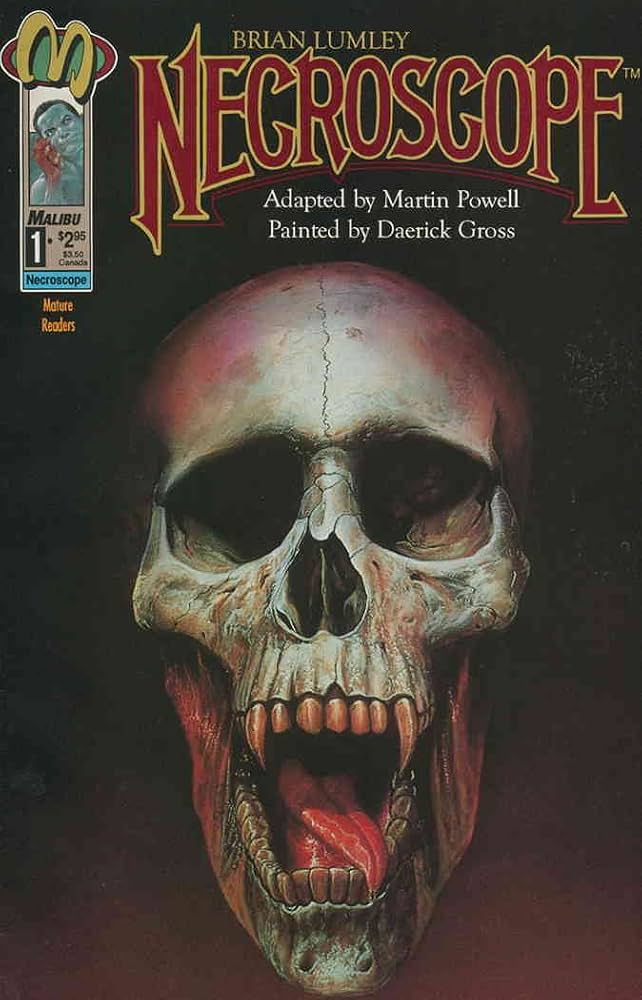
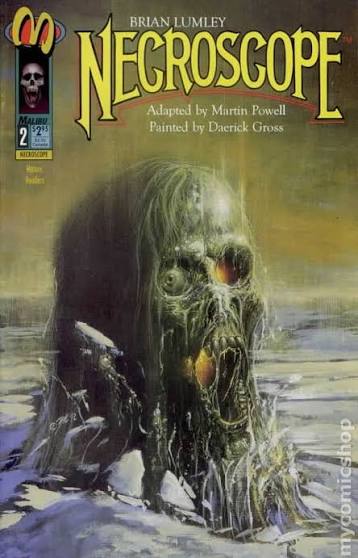
I seem to remember – though I might be wrong on this – that my copy had an all-black cover without an illustration, to indicate how disturbing this book was. The book was beautifully painted by Daerick Gross, and as I read through it, I found a scene in which a buff, good-looking guy (my Bollywood-watching brain at that point assumed this was the good guy, because he was handsome) broke into a morgue, stripped naked, sawed a dead guy’s skull in half, pulled out the dead guy’s heart from his chest and talked to it like a telephone, and then pulled out the man’s brain and drank its fluids and possibly licked it, all in the name of necromancy.
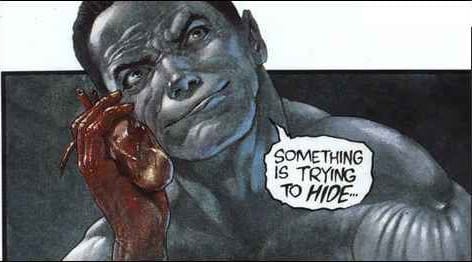
I was genuinely disturbed by the combination of beauty and savagery, by the sickly colours, by the nonchalant way in which the man spoke of what he was doing, all while seemingly being the good guy (it didn’t occur to me that the weedy nerd depicted in some of the other pages of the book might be the real protagonist, because I wasn’t familiar with Hollywood tropes about that stuff). It was only a year or so later when I tracked down the second issue, and eventually the novel, that I figured out what the story was. But that scene stuck with me – the beautiful but sinister man violating a corpse while grinning the whole time. It was seedy, unsavoury, and I loved it, but it freaked me out. I don’t think I slept well for a week, and obviously I couldn’t admit to the reason – I didn’t want to lose the book.
About ten years ago, I friended Daerick Gross on Facebook and was able to tell him he’d scared the crap out of me as a kid – he had a laugh. I’m glad I was able to tell him that before he passed away a few years ago.
Anyway, that’s not the comic I intend to talk about today. I’ve of course enjoyed a ton of other horror comics – I’ve worked on a whole bunch that I think are great. Let’s get those out of the way first:
There’s These Savage Shores, Blue in Green, Swamp Thing, Aquaman: Andromeda – all written by Ram V. There’s Coffin Bound, Arkham City: The Order of the World and Home Sick Pilots written by Dan Watters, and of course, The One Hand/The Six Fingers, written by both those gentlemen. There’s my ongoing collaboration with James Tynion IV – The Department of Truth, w0rldtr33, Christopher Chaos (though that one’s dark fantasy according to my classification above), or shorter works like Spectregraph. I can also very happily recommend some other graphic novels I worked on, like Everything Dead & Dying, The Cutting Garden or an older deep cut like Lazaretto.
I’ve probably read more horror comics after I started working in comics than I did before, so many of my references are quite recent – like The Nice House on the Lake, A Guest in the House, Silver Coin, Ice Cream Man or The Black Monday Murders. There’s Crossed and Crossed +100, which should of course come with several content warnings, but which I feel are actually less exploitative than people think (I’m speaking of the Garth Ennis and Alan Moore issues respectively, of course).
We could talk about manga, with Junji Ito’s classic Uzumaki and Tomie, but I’d say his short stories are much better. Shintaro Kago has been doing some more respectable work these days, with stuff like Brain Damage, but I’ll be honest, it was his earlier work with fetish magazines that I found genuinely disturbing. I know PTSD Radio is big these days, but I haven’t found it to be my kind of thing. Gou Tanabe has been doing some great Lovecraft adaptations – they’re not disturbing, really, but they’re magisterial.
Even earlier books like Black Hole and From Hell I only came around to recently. I’d probably count Dan Clowes’s Like a Velvet Glove Clad in Iron, given his deep Lynch influence.
But one book I feel doesn’t get enough attention is Alan Moore and Jacen Burrows’s Providence. It’s not hard to explain – it was published by a small publisher that, by that point, seemed to be near shutting down. It’s also not stand-alone, given that it’s a sequel to The Courtyard (which was adapted by Antony Johnston from a Moore short story) and Neonomicon, which even Moore admits is a deeply unpleasant book. Plus, it deals with an existing mythos that many feel is out-of-date – Lovecraft, Chambers, Bierce etc. – though it keeps coming in and out of style.
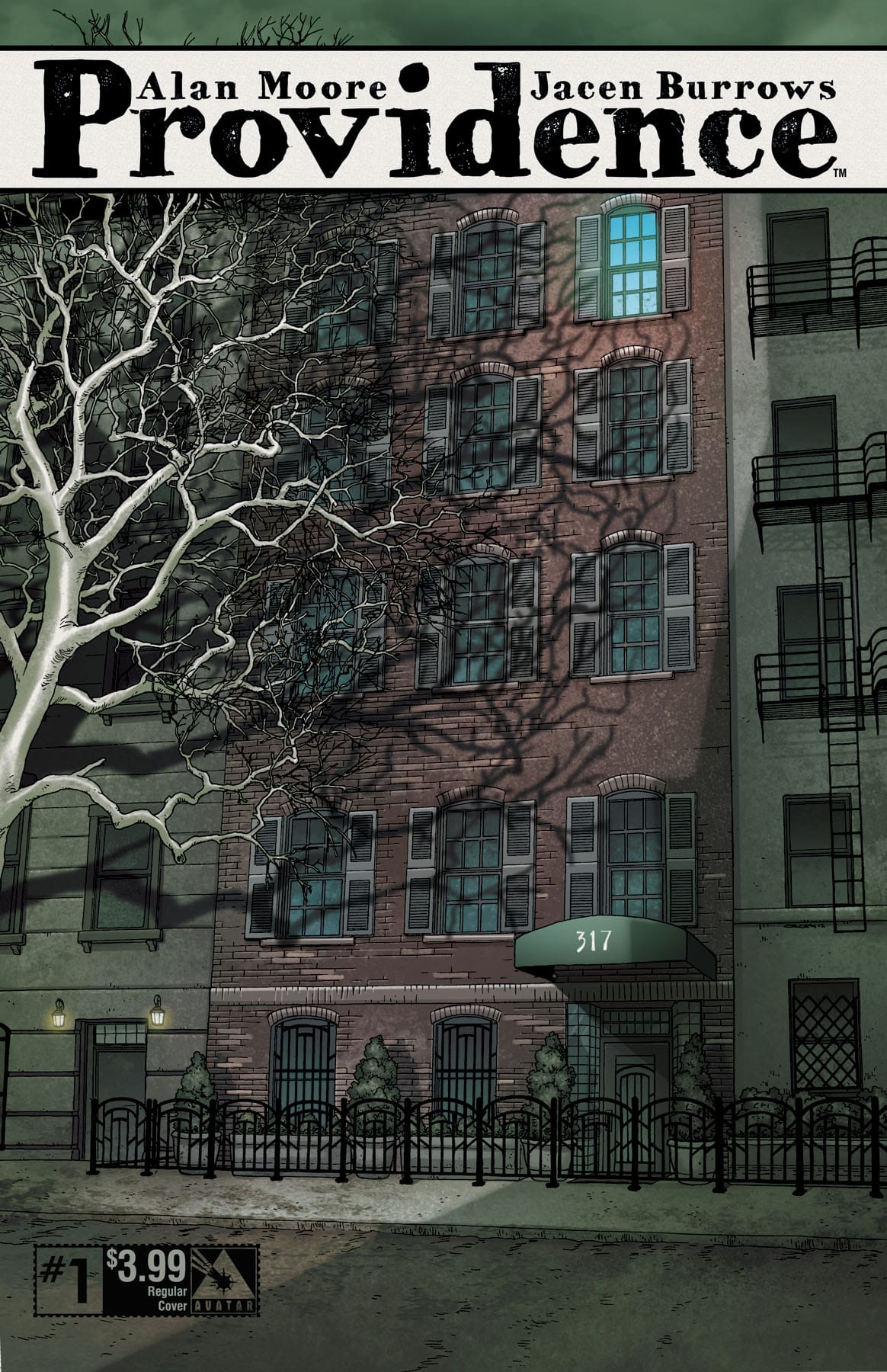
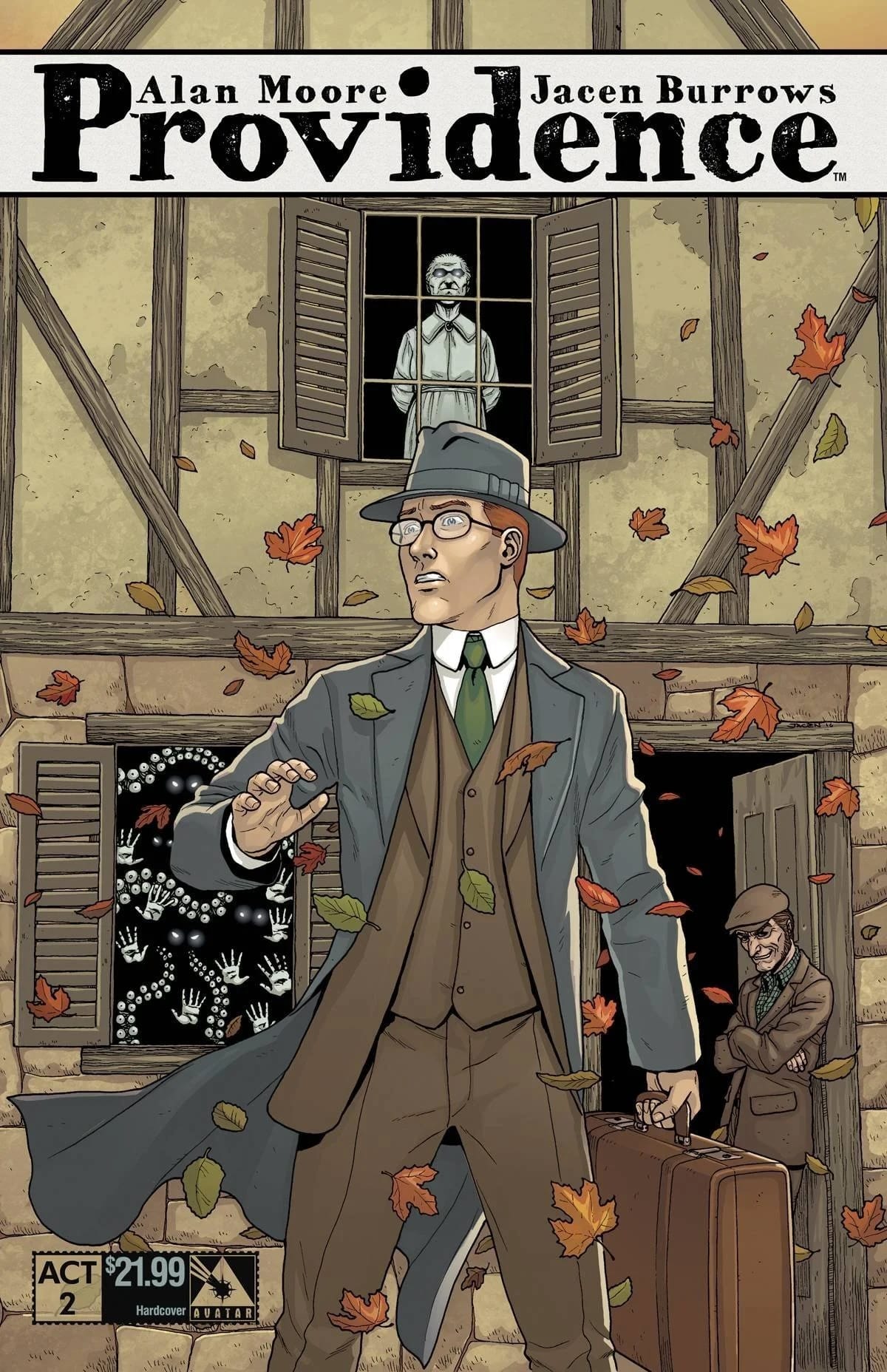
But other than the fact that Providence is just very, very good – possibly among Moore’s most meticulous works – it’s also a bonafide Alan Moore classic that I got to experience in realtime. I bought each issue as it came out, and it made for an incredible reading experience.
I also got to experience something unique that serialisation can do for a story. Providence #10 ends on a seemingly final note – but there were two more issues to go. And the wait between issues was months-long, because production had really slowed down by that point. So for all that time, I wondered where the story could possibly go from the end of issue 10. And then issue 11 came along, and it’s this gorgeously constructed journey through an alternate 20th century, and again, issue 11 ends in a place that could simply be the end. And once more, the wait for Providence #12 was something close to a year. So I had a long time available to reread the whole book and think about where the story could possibly go, only for Moore and Burrows to completely surprise me with the ending. I loved the experience so much that I wrote an essay about it for my friend Hass’s journal PanelxPanel. (I’m also planning to repost this essay on the blog – I’ll link it here when I do.) I got to feel the joy of serialised comics like I never had before.
This was much longer than intended, but it still doesn’t encompass everything I could say about my experiences with horror over the years (I didn’t even touch on recent Indian horror movies like Tumbbad and Bramayugam). That’s okay – it’s a life’s journey, and you can never see the whole thing all at once.
Nevertheless, I hope this makes for an interesting read, or at least you come away with a bunch of recommendations for works you might like.
If you liked this, do subscribe to the blog – I post rather eclectically, but horror and comics is something I will keep coming back to.